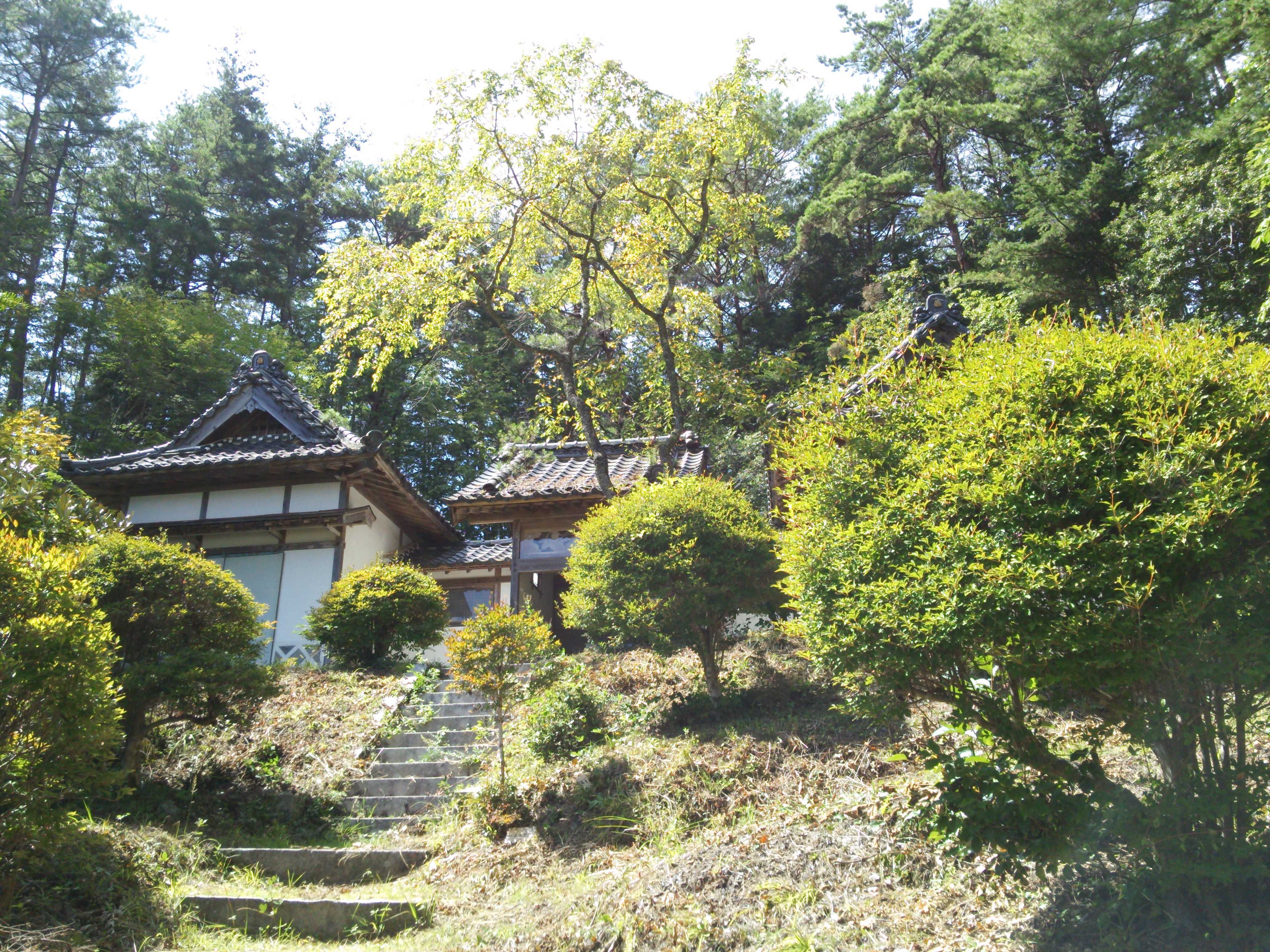
Planning an architecture site visit to a notable Chubu building
For architecture students and early-career practitioners working out of studios in Melbourne, Sydney or Brisbane, a working trip through the Chubu region offers something the studio floor rarely can: buildings that reward close looking. The prefectures around Nagoya hold a remarkable density of contemporary work, from civic libraries and museums to private houses that have reshaped how designers think about everyday space. Reading these projects in person, rather than through a screen, changes the conversation you have with them when you return to your own desk.
This kind of trip takes more preparation than a holiday, but less than a research degree. Treat it as a focused, sketchbook-driven visit, the kind of exercise that an Australian studio might schedule once or twice across a design year. With a little planning around timing, access and what you intend to draw, the visit becomes a working resource you can keep referring back to long after the plane home.
Choosing a building that fits your studio brief
A useful visit starts with a project that pushes on something you are already wrestling with. Australian students often arrive in Japan chasing a generic sense of timeless quality, but the buildings that travel home most usefully are usually the ones that take a position on a specific problem: a tight urban edge, a sloping site, a roof that doubles as a public room. The Chubu region offers plenty of these, and the best of them sit in ordinary neighbourhoods rather than on grand podiums.
Look for projects whose published intentions overlap with your current studio agenda. If you are exploring material honesty in a Perth coastal house, a heavy-timber civic building in Toyota or Seto may be more useful than a temple that everyone photographs. If your studio brief is about how a small footprint can host multiple programmes, search for that specific question in the Chubu portfolio, since many local practices have built careers around modest urban houses.
Before committing, scan the site for visitor information, opening hours and any access notes. The Nagoya Archi Fes exhibitors page, which lists past finalists and their host studios, often points to working practices whose built work you can also visit within a day trip. Filter by the type of project you need to see, then build your itinerary around three or four short stops rather than one ambitious long day.
Mapping the visit before you fly
Once you have your shortlist, start treating the trip like a working document. Build a folder of drawings, sections and the occasional construction detail, drawn from the architect's own publications or from peer-reviewed Japanese sources where possible. Avoid relying on glossy tourism material, which tends to flatten the very qualities you want to study. Bring these references into a single PDF you can read on the flight.
The flight from Sydney or Melbourne to Centrair usually routes through Tokyo or another hub, and even with a direct connection you should expect around sixteen hours of travel. Australian studios know the discipline of working across time zones, so build in a half-day buffer on arrival and try to schedule any formal building tour for day two, once the worst of the jet lag has lifted. The same habit is worth keeping for a Brisbane or Perth departure, where the time difference can shave or add hours to the day.
Pre-book any guided tour or access request at least four weeks ahead. Several notable Chubu buildings, including some of the houses, restrict interior visits or require a Japanese-speaking companion to arrange access. Reach out to the practice directly through their English-language contact form if you cannot read the original site, and frame your request as a student of architecture rather than a casual tourist. Practices in this region tend to be generous with serious enquiries.
Reading the building with intention
When you finally stand in front of the project, slow down. The instinct, familiar to anyone who has done a self-drive down the Great Ocean Road with a camera in hand, is to photograph everything quickly and move on. Resist that. Spend the first ten minutes walking the perimeter without the camera, noting how the building meets the ground, the street and the neighbours. Only then start sketching.
Sketching forces a kind of looking that photography cannot. You have to choose what to record, and that choice is itself an editorial act. Aim for at least three drawn studies per visit: a plan sketch, an elevation, and a detail or section through a specific junction. Number them in a corner and date them. Australian reviewers, whether at university crits or juries hosted by the Australian Institute of Architects, respond well to dated working sketches more than to polished presentation drawings, because they show the thinking behind the visit.
Take note of how the building behaves acoustically, how the light tracks across a wall over a few hours, and how people actually move through it. These are the things that rarely appear in published photography but matter enormously when you try to apply a lesson back home. If you are visiting a public building, stay long enough to watch a single afternoon pass. If it is a private house, ask the practice whether you may sit with a coffee and observe for an hour. Most will say yes.
Linking the visit to your local context
The real value of a Chubu visit comes when you bring it home. Australian architects have a long tradition of borrowing from overseas traditions and reinterpreting them for our own climate, from the post-war interest in California modernism to the more recent attention to Japanese detailing. To make the trip pay off, write a short follow-up note within ten days of returning, while the sensory memory is still fresh. List three lessons, three observations and three things that simply do not translate to an Australian context.
Some lessons genuinely will not travel. A heavy-timber post-and-beam roof that performs beautifully in Aichi's humid summers will respond very differently to a Western Australian bushfire overlay or to the salt air of a Sydney coastal suburb. Be honest about which lessons are about craft and which are about climate, and adjust accordingly. Australian building codes around bushfire zones, BAL ratings and corrosion-resistant fasteners are not negotiable, and a design idea that ignores them will not survive a certifier.
For students preparing to exhibit at a graduation show, the visit can also become raw material for a juried submission. A documented study visit, with sketches, photographs and a short reflective essay, carries weight with reviewers who know how much a serious trip costs in time and money. It signals that you are a designer who treats research as part of the practice, not a chore to be ticked off.
Habits worth keeping before, during and after the trip
- Reserve any interior access at least four weeks ahead and keep confirmations in a single folder.
- Sketch first, photograph second, and stamp every page with the date and project name.
- Plan three short stops per day rather than one ambitious long tour.
- Carry a small phrase card in Japanese and a notebook for practice contacts.
- Schedule a half-day buffer on arrival before any serious looking begins.
- Pack a fixed kit of pencils, scale rule and watercolour tin, and resist buying more mid-trip.
- Write a short follow-up note within ten days of returning, before the visit blurs.
A well-planned trip will not hand you a finished project, but it will sharpen the focus you bring back to your own work. Carry the sketchbook on every flight home, file the scans the same week, and treat the visit as part of the studio process rather than a break from it. The lessons from a Chubu building arrive slowly, and the ones that last are the ones you keep returning to draw.