Welcome to NAGOYA Archi Fes
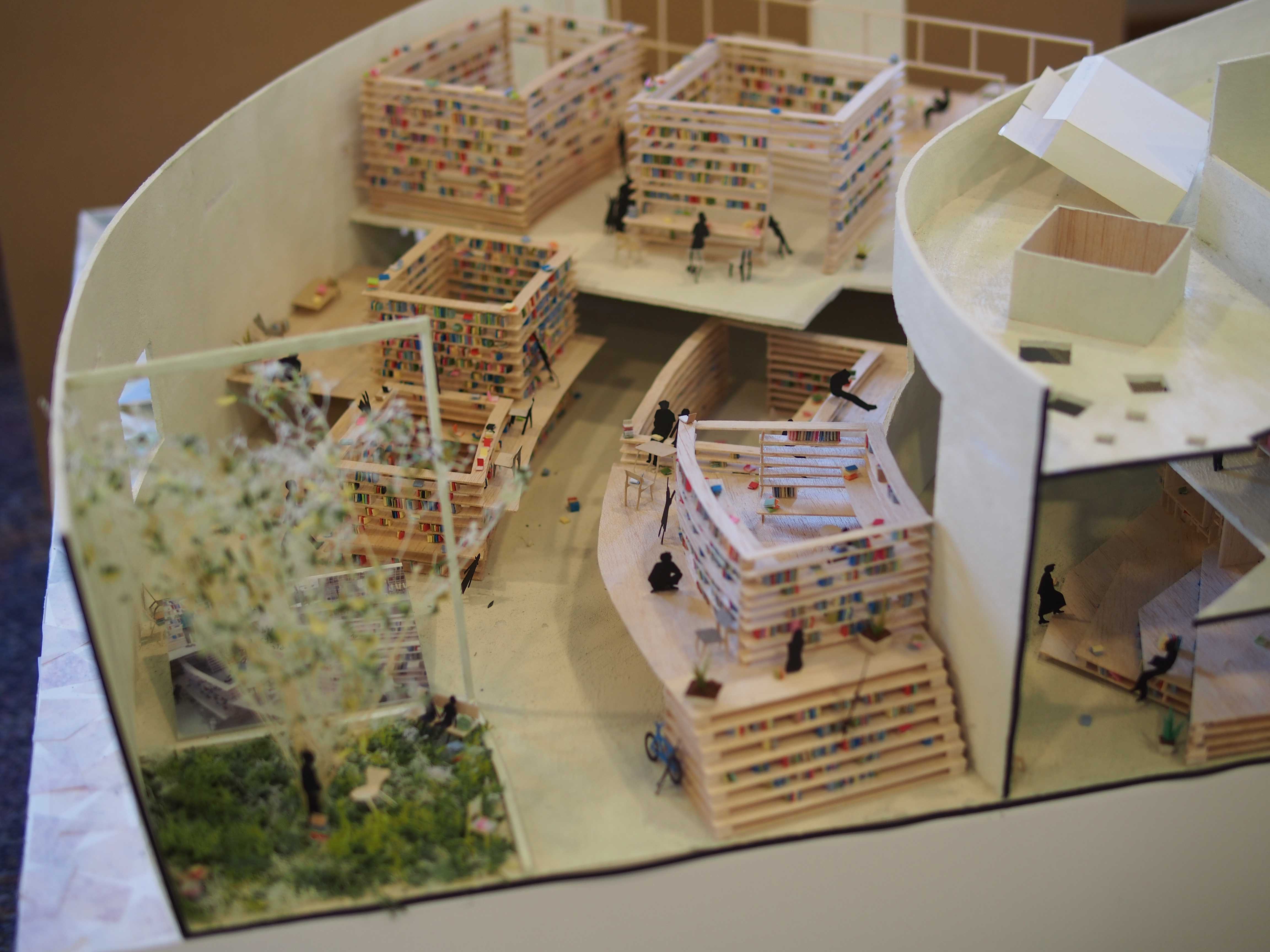
For deeper insight into presenting your design journey, read our feature on curating process sketches beside your final architecture project: Curating Process Sketches Beside Your Final Architecture Project. NAGOYA Archi Fes (NAF) is a graduation design exhibition for architecture students in the Chubu region of Japan. Run entirely by a student committee, the event brings together final-year projects from across the region for public display and juried competition.
The exhibition features a formal judging process with invited jurors, a gallery of past works spanning multiple editions, and resources for prospective exhibitors. Past editions include NAF2014 through NAF2018.
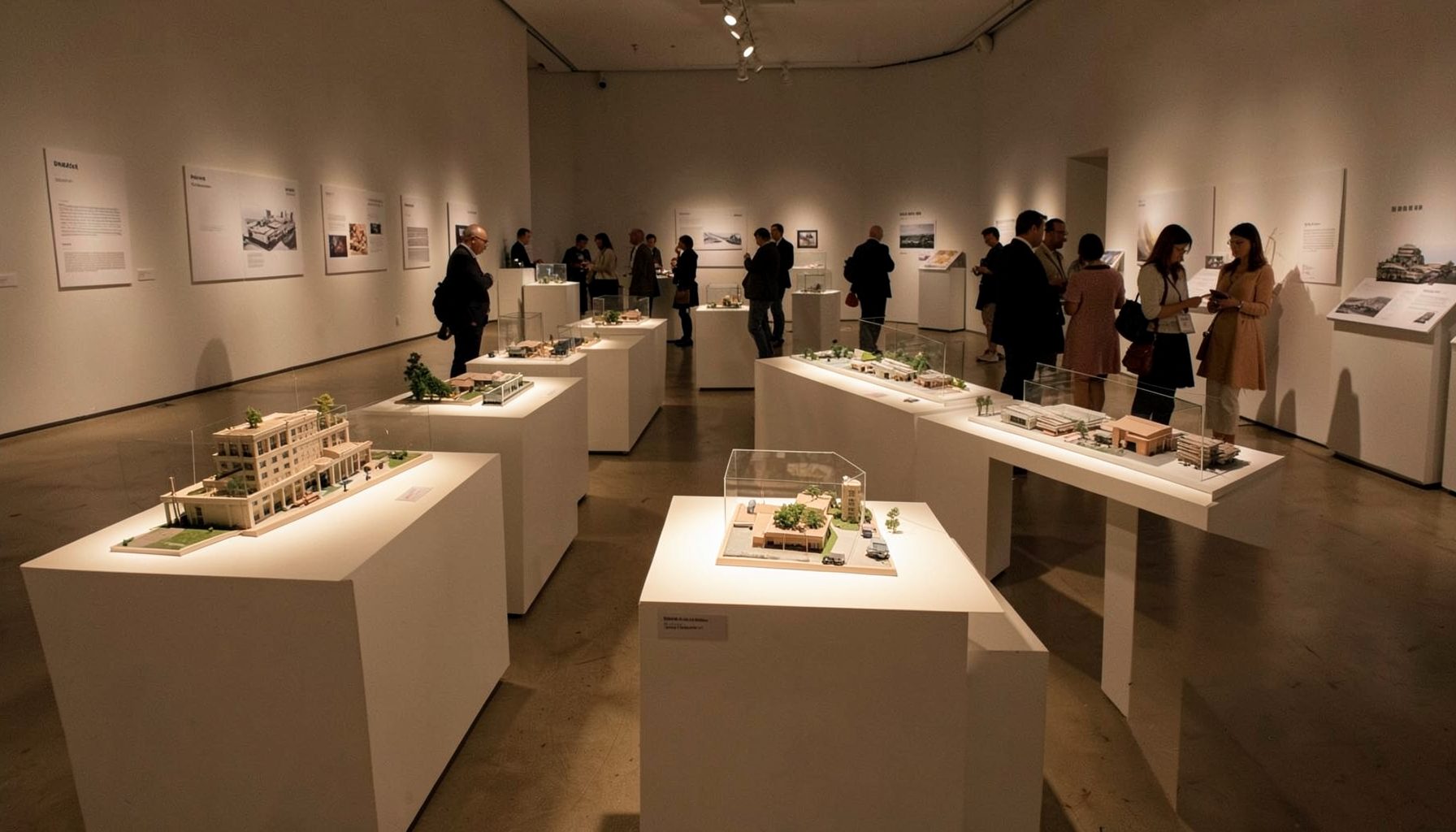
NAGOYA Archi Fes serves as a vital platform for emerging architectural talent across the Chubu region of Japan. Each year, graduating students from architecture programs come together to present their final-year projects in a public forum that bridges academia and the wider community. The event is organized entirely by a student committee, reflecting the collaborative spirit that defines the architectural profession itself. For visitors, the exhibition offers a rare glimpse into the ideas, techniques, and aspirations of the next generation of designers, while for participants it provides an essential opportunity to share their work beyond the walls of the studio.
The juried competition at the heart of NAGOYA Archi Fes adds a layer of professional rigor to the exhibition. Invited jurors, drawn from across the architectural field, evaluate the submitted projects through a formal judging process that rewards thoughtful design, technical competence, and conceptual depth. This structure gives students a meaningful benchmark for their work as they prepare to enter professional practice. For the public, the competition highlights the strongest projects on display and offers insight into what experienced practitioners value in emerging work, making the exhibition both an educational and a celebratory experience.
A gallery of past works spanning multiple editions of the festival provides a rich archive of architectural ideas from the region. Returning visitors can trace how design concerns, technical approaches, and aesthetic sensibilities have evolved from one cohort of students to the next. This historical layer also benefits current participants, who can study the work of their predecessors as they refine their own projects. The archive serves as a collective memory for the event, demonstrating continuity while also revealing how each generation brings its own distinctive voice to the discipline.
For prospective exhibitors, NAGOYA Archi Fes offers clear pathways to participation. Resources are made available to help students understand the submission process, exhibition requirements, and what to expect as a participant. The student committee works to ensure that the experience is both professionally meaningful and personally rewarding for everyone involved. Whether a student is preparing their first exhibition or seeking to refine their presentation skills, the festival provides a supportive environment in which to develop and showcase their work before an engaged audience.
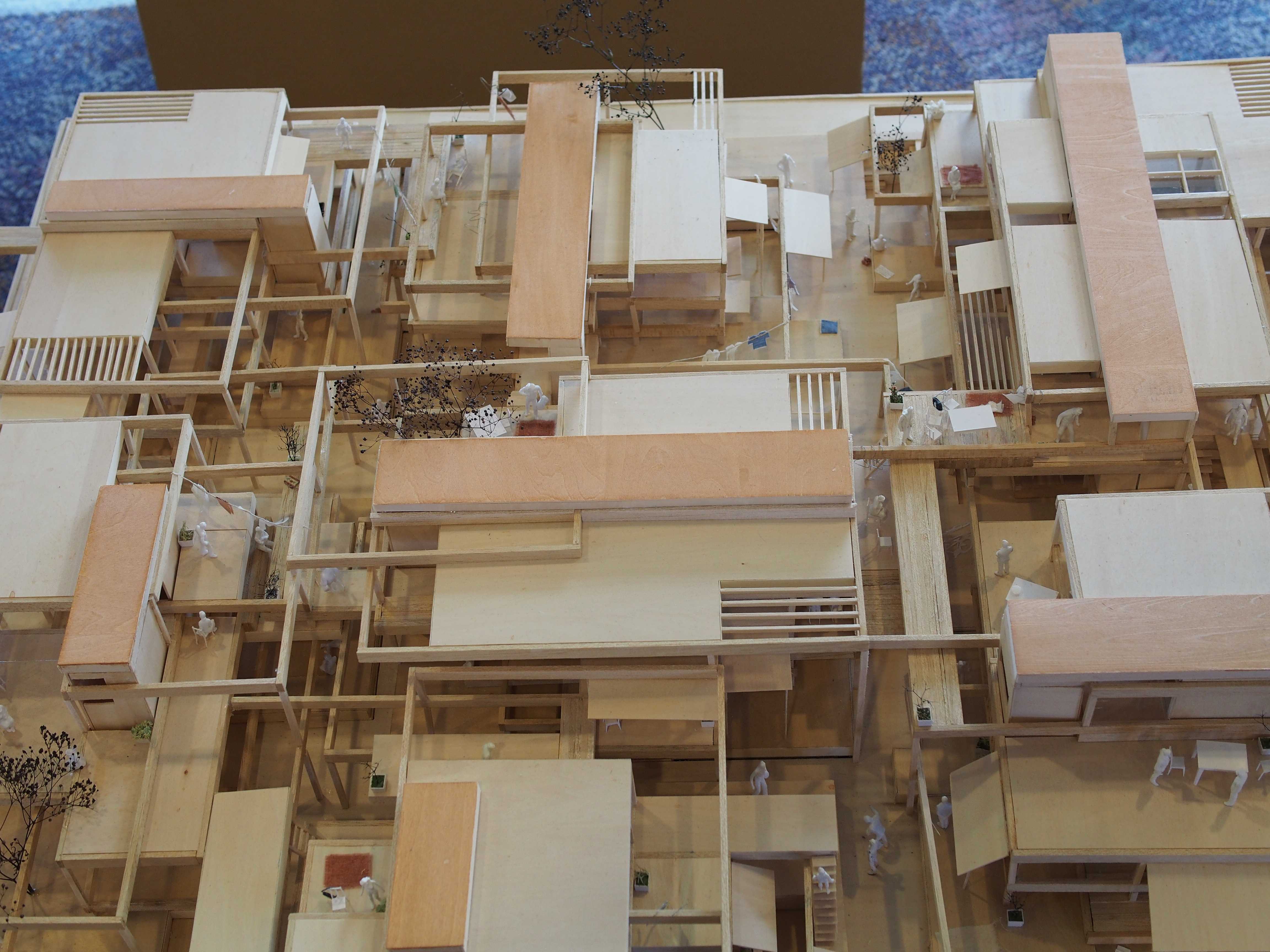
The exhibition itself is designed to be accessible to a broad public audience, not just those within the architectural profession. By opening the doors to the community, NAGOYA Archi Fes invites residents of Nagoya and the wider Chubu area to engage with the built environment in new ways. Visitors can explore a diverse range of projects, from urban planning proposals to residential designs to experimental structures, each reflecting the concerns and ambitions of its creator. This public dimension reinforces the idea that architecture is a shared cultural endeavor with relevance to everyone.
The student-led nature of the organizing committee is one of the defining features of NAGOYA Archi Fes. From planning and logistics to curation and publicity, the event is shaped by the very people it serves. This peer-to-peer approach fosters a sense of ownership and pride among participants while also providing valuable organizational experience that complements their academic training. The committee's dedication ensures that each edition of the festival reflects the energy and creativity of the student community, keeping the event fresh and responsive to changing needs.
Over the years, the festival has grown into a recognizable fixture on the architectural calendar of the Chubu region. Each edition builds on the successes and lessons of those that came before, refining the format and expanding its reach. The progression from earlier editions through more recent ones illustrates a steady commitment to quality and inclusivity. For alumni of the program, the festival offers a point of connection to the ongoing life of the architectural community, and for newcomers it represents an inviting entry point into a field rich with possibility.
Beyond the exhibition itself, NAGOYA Archi Fes contributes to a broader conversation about the role of architecture in contemporary society. By showcasing the work of emerging designers, the event encourages dialogue about how our built surroundings might be imagined differently. It also strengthens ties among universities across the region, fostering a network of students and faculty who share common interests and challenges. Through its combination of exhibition, competition, and community engagement, the festival affirms the value of architectural education and the promise of those who dedicate themselves to it.