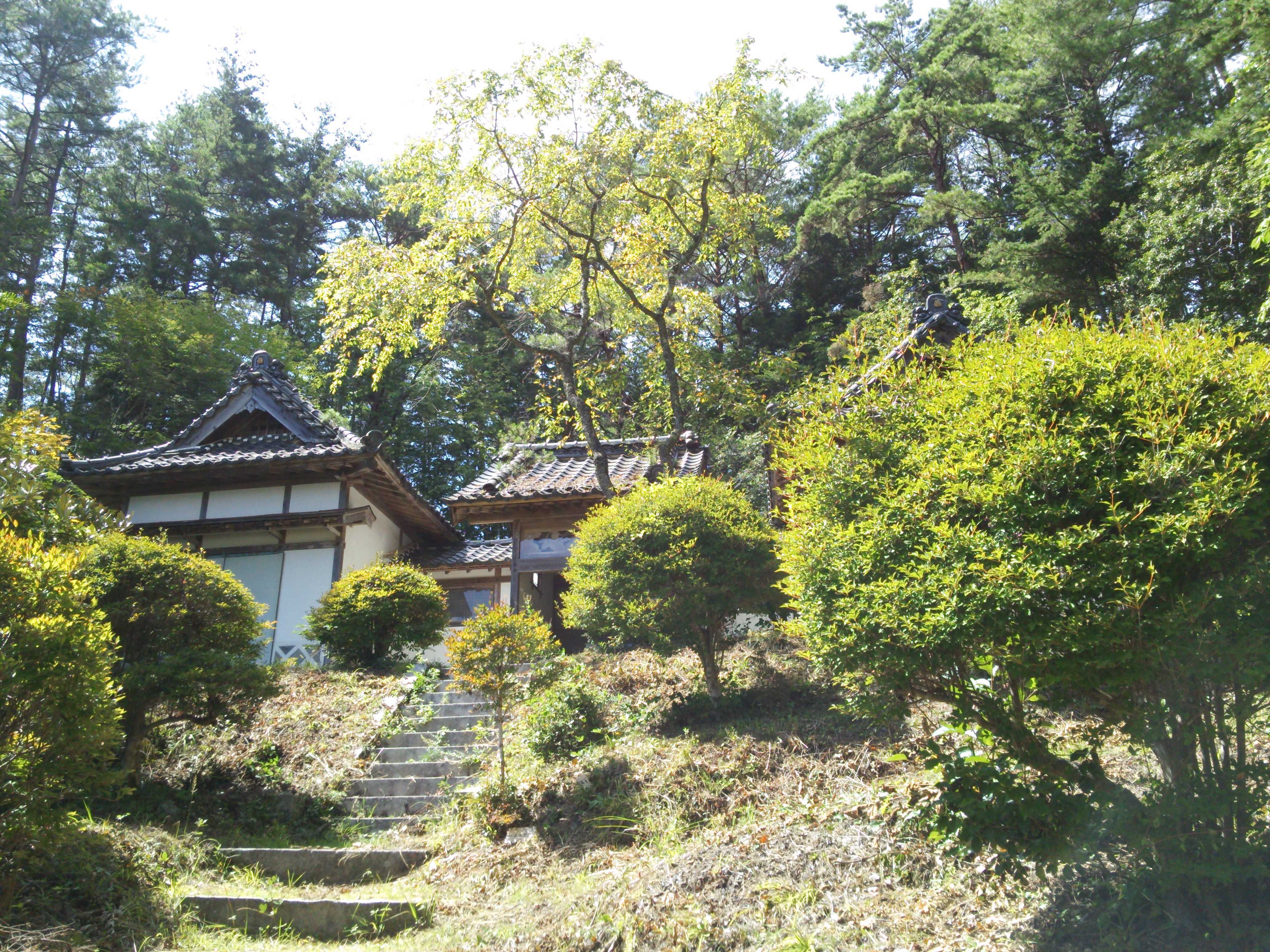
Planning a Chubu Landmark Bus Tour for Fellow Exhibitors
After the final critique at the NAGOYA Archi Fes, you may find yourself with a few spare days in the Chubu region and a group of fellow architecture students eager to see more of Japan's built landscape. A short bus tour is one of the most efficient ways to translate what you saw at the exhibition into a wider appreciation of regional design. Because Chubu stretches from the Sea of Japan coast across to the Pacific and up into the Japanese Alps, choosing just a handful of sites is the first strategic call you will make. Most Australian students arrive on tight academic schedules, so a one- or two-day loop from Nagoya keeps costs and travel time manageable.
If you are used to the scale of Australian road trips, where a Sydney-to-Melbourne run is roughly nine hours of motorway, Chubu's compact geography will feel refreshingly concentrated. A loop from Nagoya to Takayama, Shirakawa-go, Inuyama and back can be done in two days, with each leg rarely exceeding two hours. That compactness keeps time on the bus in proportion with time on the ground, which matters when jurors, alumni and tutors are travelling with you. You can find further reading on past editions in the archive of a comparative analysis of this year's top five projects, where previous cohorts framed their regional context.
For an Australian organiser, several local habits shape how you design the day. Australian students often expect strong coffee on the road; in Chubu, vending-machine cans and kissaten service are more common, so plan a stop with reliable espresso. Group lunches in Australia lean towards shared plates or a pub feed, which translates to the teishoku style across Chubu, though you should warn vegan and halal travellers in advance. The Australian dollar's weakness against the yen also means that small savings on group bookings are felt, and a few organisers have started pooling funds through their university's international office to keep individual costs reasonable.
Finally, remember that the bus tour is part of the exhibition experience, not a separate holiday. The aim is to give your peers fresh visual references, broaden the conversation about regional architecture, and let friendships formed during long studio nights breathe into something more lasting. A short bus loop with thoughtful stops will do more for group cohesion than a packed itinerary that rushes everyone from one car park to the next.
Defining the purpose and the window
Before you contact any bus operator, write down what the tour is actually meant to do. Is it a post-exhibition decompression for tired finalists, a networking day with visiting jurors, or a structured site visit that the school can credit? Each of those purposes leads to a different group size, pace and budget. Australian university field trips are usually framed around learning outcomes, so if your tour has any claim to academic credit, document the itinerary with that in mind from the start.
The next decision is timing. The NAGOYA Archi Fes typically runs in early spring, which gives you the bonus of cherry blossom along the Kiso Valley road and crisp visibility in the mountains. If your cohort comes from Melbourne or Hobart, where daylight saving has just ended, they may still be running on a slightly shifted body clock, so build in a gentle first morning rather than a 7 am departure. An early November window catches the autumn colour at Korankei and avoids the Golden Week crowds that swallow the region's hotels.
Picking landmarks that speak to the cohort
Chubu is unusually rich in landmark architecture for such a small footprint, and choosing well is the difference between a memorable tour and a forgettable one. For a cohort interested in contemporary practice, the Toyota Municipal Museum of Art by Yoshio Taniguchi and the Aichi Arts Center offer contrasting approaches to civic space. For those drawn to heritage craft, the castle towns of Inuyama and Gujo-Hachiman pair well with the thatched roofs of Shirakawa-go, a UNESCO site just over the mountains.
Aim for two to four built-form stops per day, with at least one landscape or urban-planning pause between them. A common mistake Australian organisers make is to schedule a stop every ninety minutes because that is how long a freeway service feels at home. In Chubu, distances between cultural sites are often shorter than the formal parking-to-entrance walk, so let each visit breathe. Mix one major architectural destination with one lesser-known piece in the same town to give jurors something unexpected to discuss.
Booking the bus and the driver
A medium-size chartered bus in Japan typically seats twenty-five to forty-five passengers, with luggage holds beneath the floor. For a group of fifteen to twenty, a small coach is cheaper and easier to manoeuvre through old town centres like Takayama's Sanmachi district. Confirm that the operator holds a valid general passenger motor carrier licence, which is the local equivalent of the public vehicle registration that Australian state transport authorities also require for any paid group transport.
Reserve the bus at least two months ahead during the exhibition period, because the same fleet serves school trips across Aichi and Gifu. Ask whether the driver can speak basic English or whether the company offers an interpreter add-on, since English signage is thinner in Chubu than in Tokyo. If any of your travellers use mobility aids, flag this early because Japanese coaches often have only one accessible seat per vehicle. A quick reference to the event information page will give you the dates and registered venues you need to lock the road plan around.
Sorting out logistics for an Australian group
Visa, insurance and money are the unglamorous backbone of the trip. Australian passport holders can enter Japan visa-free for short stays, but you should still carry printed proof of return flights and accommodation, as Australian border habits tend to be more paperwork-light than Japan's. Travel insurance that covers medical evacuation from regional areas is worth the extra premium, particularly if your route crosses into mountainous Gifu, where small clinics are the norm.
Money handling is the other practical point. Australian groups tend to pool cash for dinners and pay the driver or guide separately, but Japan still operates heavily in cash for rural buses, toll booths and small inns. Withdraw yen at a convenience-store ATM on arrival rather than at Nagoya airport, where rates are usually poorer. Remind everyone that tipping is not expected anywhere in Chubu, which can feel odd for travellers from Sydney or Brisbane where a ten percent service is standard in many venues.
Finally, prepare a small printed sheet with the bus registration, your mobile number in international format, and the address of your accommodation in both Japanese and English. Australian travellers rarely carry paper documents anymore, but in rural Chubu a paper fallback saves time when taxi drivers or station staff ask questions in Japanese.
Keeping the group safe and engaged
Safety planning in Japan is rarely about crime, but it does involve road behaviour, weather and food. Australia's strict seatbelt laws apply loosely overseas, yet reputable Japanese operators require seatbelts to be worn whenever seats are fitted. Brief your group on this in advance, particularly those coming from Perth or Adelaide where regional coaches still occasionally allow standing.
Weather can change quickly in the mountains. A mild spring day in Nagoya can mean sleet at Hirugano Kogen, so ask everyone to pack a light layer even if the forecast looks fine. Heat fatigue is less of an issue in spring than it would be on an Australian summer field trip, but hydration discipline is still worth a reminder. Carry a small first-aid kit, motion sickness tablets and a power board, because Japanese hotel rooms rarely offer more than one accessible outlet per bedside.
Engagement is the softer side of safety. Assign each traveller a site-steward role for one stop, so they spend the bus ride preparing a short introduction rather than scrolling on their phone. This works well with Australian students who are used to tutorial-style discussion and gives quieter members a reason to speak up. End each day with a short group debrief at the hotel; even ten minutes of structured reflection turns the bus tour from a sequence of selfies into an architectural learning experience.
Linking the tour back to the exhibition
The richest tours do not treat the bus trip as an add-on after the show; they frame it as an extension of the juried conversation. Ask two or three jurors in advance whether they would be willing to lead a walkthrough at one of the chosen sites, and build the itinerary around their availability. Australian academics are generally enthusiastic about contributing short talks during international trips, so this is often easier to arrange than it sounds.
Take time during the tour to compare what you see with the projects on display. If a finalist's thesis explored rural depopulation, a stop in a quiet post-industrial town like Tomioka gives the cohort a concrete counterpart. If another explored timber craft, the carpenter workshops of Hida offer hands-on context. Send a short collective write-up to your cohort chat after the trip; this kind of follow-through is what alumni often mention years later when they reflect on the value of the NAGOYA Archi Fes.
Practical recommendations for a smooth Chubu loop
A short checklist tends to keep a student-run tour from drifting off course. The following points cover the decisions that most often catch Australian organisers out:
- Lock the bus booking at least eight weeks before the exhibition, and confirm the operator's passenger licence in writing.
- Build the route around two to four architectural stops per day, with a coffee or landscape break between each.
- Check the weather for the mountain leg the day before and carry a printed paper schedule for every traveller.
- Withdraw yen from a convenience-store ATM on arrival rather than at the airport counter.
- Brief the group on seatbelt rules, motion sickness and the absence of tipping customs in rural Chubu.
- Assign each traveller one site to introduce on the bus, so the trip feels shared rather than guided.
- Send a short written reflection to the cohort within a week of returning, while the impressions are still fresh.
Keep in mind that the bus tour you organise will quietly shape how your peers remember the exhibition as a whole. The juror's critique, the late-night model-making sessions and the final hung-up boards all sit alongside the moments when the coach pulled over at an unexpected car park and someone pointed out a roof detail that nobody had noticed on the screen. A well-paced Chubu loop turns regional landmarks into shared reference points that travel back with the cohort to studios in Brisbane, Perth and Hobart, and that lasting visual vocabulary is the return on effort that justifies the planning time it took to arrange it.